Advantages of Aerobic Septic Systems Athens, GA & Surrounding Areas
Aerobic septic systems provide a modern, efficient alternative to traditional septic systems in Athens, Georgia, and nearby communities including Watkinsville, Bogart, Bishop, Winterville, Bogart, and surrounding areas. These systems use oxygen to accelerate the breakdown of waste, offering cleaner effluent, reduced odors, and improved environmental protection. Homeowners benefit from lower maintenance requirements and long-term system reliability, making aerobic systems an ideal choice for both residential and commercial properties.
What Is an Aerobic Septic System?
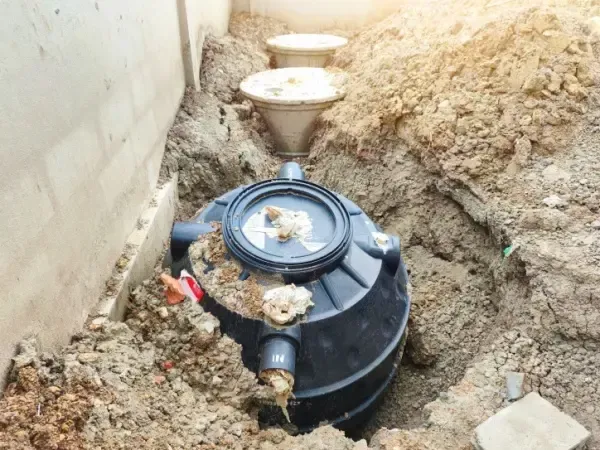
An aerobic septic system is a wastewater treatment system that uses oxygen to enhance bacterial decomposition of sewage. Unlike traditional systems, it treats waste more quickly and produces cleaner effluent. Aerobic systems typically include an aerator, treatment chamber, and pump. They are designed for properties where conventional systems may not be suitable. This method supports healthier soil and groundwater conditions.
How Do Aerobic Septic Systems Improve Wastewater Treatment?
Aerobic systems introduce oxygen into the waste, encouraging aerobic bacteria that break down organic material efficiently. This results in significantly cleaner effluent compared to traditional anaerobic systems. Cleaner effluent reduces the risk of groundwater contamination. The process also minimizes unpleasant odors and enhances system longevity, benefiting both homeowners and the surrounding community.
Why Are Aerobic Systems Ideal for Athens Homeowners?
Athens properties often face soil limitations, high water tables, or environmental regulations that restrict traditional septic systems. Aerobic systems function effectively in these challenging conditions. They provide reliable wastewater treatment in areas with limited space or poor soil drainage. Homeowners enjoy flexibility in system placement and improved long-term performance.
What Are the Environmental Benefits of Aerobic Septic Systems?
Aerobic septic systems protect the environment by producing highly treated effluent that is safer for soil and water sources. Reduced contaminants mean less impact on nearby streams, rivers, and groundwater. These systems prevent nutrient overloads that can harm local ecosystems. Choosing an aerobic system demonstrates environmental responsibility while maintaining property health.
How Do Aerobic Systems Reduce Odors?
The oxygenation process in aerobic systems accelerates decomposition and prevents the buildup of foul-smelling anaerobic gases. Properly maintained systems emit minimal odors compared to traditional septic tanks. Reduced odors improve comfort for homeowners and neighbors. This makes aerobic systems especially desirable in residential areas of Athens and surrounding communities.
Are Aerobic Septic Systems Easier to Maintain?
Aerobic systems require regular inspections but are generally easier to maintain than failing traditional septic systems. Aerators and pumps are checked periodically, and routine cleaning ensures smooth operation. Preventive maintenance extends system lifespan. Homeowners benefit from fewer emergencies, lower repair costs, and predictable service schedules.
How Long Do Aerobic Septic Systems Last?
With proper care, aerobic septic systems can last 20 years or more. High-quality components, consistent maintenance, and correct installation contribute to long-term reliability. Lifespan may vary depending on usage and property conditions. Homeowners in Athens and nearby towns can expect durable performance with minimal disruptions.
Can Aerobic Systems Handle High Household Water Usage?
Aerobic systems are designed to handle high wastewater volumes efficiently. They process large amounts of effluent while maintaining treatment quality. These systems are suitable for larger homes, commercial properties, or households with multiple bathrooms. Proper sizing ensures consistent performance and prevents system overload.
How Do Aerobic Septic Systems Compare to Traditional Systems?
Aerobic systems provide faster treatment, cleaner effluent, and fewer odors compared to conventional anaerobic septic tanks. They are also adaptable to challenging site conditions. While initial costs may be higher, long-term benefits include reduced environmental impact, lower repair costs, and more reliable performance. Many Athens homeowners find aerobic systems a worthwhile investment.
Who Should Consider Installing an Aerobic Septic System?
Homeowners with limited land space, poor soil conditions, environmentally sensitive areas, or high water tables should consider aerobic systems. These systems are suitable for both new construction and replacement of failing traditional systems. Consulting a licensed professional ensures proper design, installation, and ongoing maintenance.
Final Thought
Aerobic septic systems in Athens and surrounding areas offer significant advantages over traditional systems by providing cleaner effluent, reducing odors, and ensuring environmental safety. Homeowners benefit from reliable performance, flexible installation options, and long-term cost savings, making them an excellent choice for both residential and commercial properties
How often should an aerobic septic system be maintained?
Routine maintenance is recommended every 3 to 6 months depending on system size and usage. Maintenance includes checking aerators, pumps, and effluent quality. Regular care prevents costly repairs and ensures optimal performance over the system’s lifespan.
Do aerobic septic systems produce fewer odors than traditional tanks?
Yes, the oxygenation process minimizes anaerobic gas buildup, resulting in little to no odor. Homeowners experience a cleaner, more comfortable environment. This is particularly beneficial in densely populated neighborhoods and residential areas.
Are aerobic systems more expensive to install than traditional systems?
Initial installation costs can be higher due to specialized components and aeration equipment. However, long-term benefits such as reduced maintenance, fewer failures, and cleaner effluent often offset the initial investment. Homeowners see value over the life of the system.
Can aerobic septic systems handle large households?
Yes, properly sized aerobic systems can efficiently manage high wastewater volumes from larger households. They process wastewater effectively while maintaining treatment quality. System design is tailored to meet household needs and local regulations.
Do aerobic septic systems help protect the environment?
Absolutely, aerobic systems produce highly treated effluent that is safer for soil, groundwater, and nearby water bodies. Reduced contaminants prevent environmental degradation. Installing an aerobic system demonstrates responsible stewardship while protecting property value.
Email: [email protected]
Phone: +1 770-771-8816
Address: 1636 Amalie Street, Statham, GA 30666