
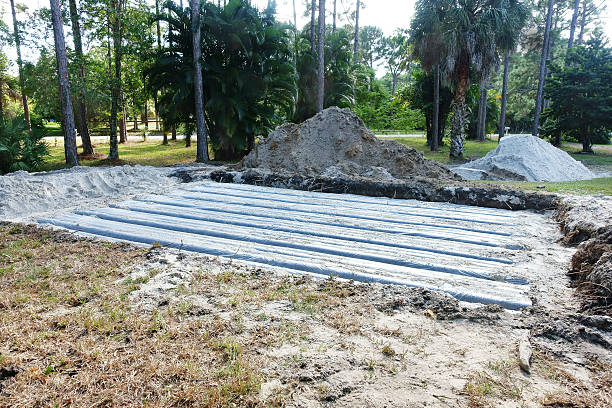
Understanding Drain Field Regulations in Jackson, GA & Surrounding Areas
Drain field regulations play a critical role in protecting public health, groundwater, and property value in Jackson, GA and surrounding areas. Whether you are building a new home, replacing a septic system, or purchasing land, understanding local drain field requirements helps prevent costly violations, delays, and system failures while ensuring compliance with county health regulations.
What Is a Drain Field and Why Is It Regulated?
A drain field, also known as a leach field, is the part of a septic system that disperses treated wastewater into the soil. Regulations exist to ensure wastewater is safely absorbed and filtered without contaminating groundwater, nearby wells, or neighboring properties. In Jackson, GA, proper drain field design and placement are mandatory for septic system approval.
Why Are Drain Field Regulations Important in Jackson, GA?
Drain field regulations help prevent sewage backups, soil saturation, and environmental contamination. Local soil conditions, water tables, and lot sizes vary throughout Jackson and nearby areas, making regulation essential for protecting both homeowners and surrounding communities.
Who Must Follow Drain Field Regulations in Jackson and Nearby Towns?
Drain field regulations apply to homeowners, builders, developers, and property investors planning septic systems. These rules affect properties throughout Jackson, Jenkinsburg, Flovilla, McDonough, Locust Grove, Griffin, and surrounding areas where septic systems are commonly used.
When Are Drain Field Regulations Reviewed or Enforced?
Drain field regulations are reviewed during septic permit applications, new construction planning, system replacements, and property subdivisions. County health officials evaluate drain field layouts before approval to ensure compliance with local and state requirements.
How Do Local Soil Conditions Affect Drain Field Regulations?
Soil composition, drainage capacity, and seasonal water levels directly influence drain field requirements. Areas around Jackson, GA may have clay-heavy soils or high water tables, which require specific drain field designs to ensure proper wastewater absorption and long-term system performance.
What Are Common Drain Field Requirements in Jackson, GA?
Common requirements often include minimum setbacks from property lines, wells, streams, and structures, along with size and depth standards based on soil testing. These requirements ensure the drain field operates efficiently without risking contamination or system failure.
How Does Perc Testing Relate to Drain Field Approval?
Perc testing determines how quickly soil absorbs water and directly impacts drain field design. Approved perc test results are required to size and position the drain field correctly, making it a foundational step in meeting Jackson and county drain field regulations.
Can Drain Field Regulations Affect Property Development Plans?
Yes, drain field regulations can influence home placement, lot size usage, and future expansions. Understanding these rules early helps property owners in Jackson, Jenkinsburg, and surrounding areas design projects that avoid setbacks or redesign costs later.
What Happens If Drain Field Regulations Are Not Followed?
Failure to follow drain field regulations can result in permit denial, fines, system failure, or mandatory corrections. Non-compliant drain fields can also lead to environmental damage and reduced property value.
Why Work With Local Septic and Drain Field Experts in Surrounding Areas?
Local professionals understand Jackson’s soil conditions, health department standards, and inspection processes. Serving Jackson, GA, Jenkinsburg, Flovilla, McDonough, Locust Grove, Griffin, and nearby surrounding areas ensures accurate guidance, faster approvals, and dependable system performance.
Final Thoughts:
Understanding drain field regulations in Jackson, GA and surrounding areas is essential for protecting your property, your septic system, and local water sources. Following county and state requirements helps prevent system failures, permit delays, and costly corrections. By working with knowledgeable local professionals and planning ahead, homeowners and developers can ensure their drain fields are properly designed, approved, and built to perform reliably for years to come.
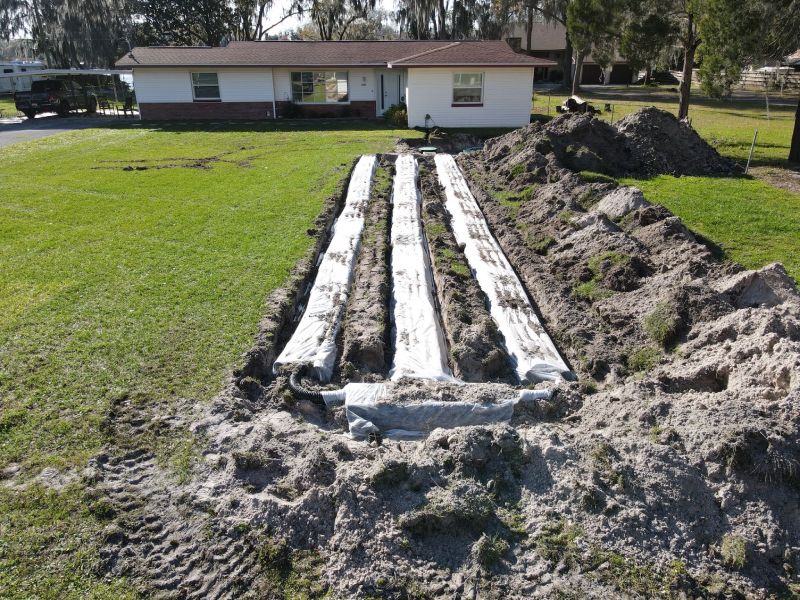
Are drain field regulations the same throughout Jackson County?
Drain field regulations are generally consistent at the county level, but soil conditions, lot size, and proximity to water sources can affect specific requirements. Each property is evaluated individually to ensure proper compliance.
Do I need approval before repairing or replacing a drain field?
Yes, most drain field repairs or replacements require approval from the local health department. This ensures the updated system meets current regulations and protects public health.
Can a drain field be installed on a small lot in Jackson, GA?
Drain fields can be installed on smaller lots if soil conditions and setback requirements are met. In some cases, alternative system designs may be required to comply with local regulations.
How do soil conditions affect drain field size and placement?
Soil type and drainage rate directly influence how large a drain field must be and where it can be placed. Poorly draining soils or high water tables may require larger or specially designed drain fields.
What happens if an existing drain field is found to be non-compliant?
If a drain field does not meet current regulations, property owners may be required to make corrections or upgrades. Addressing issues early helps avoid penalties, system failures, and future property transfer problems.
Email: [email protected]
Phone: +1 770-771-8816
Address: 1636 Amalie Street, Statham, GA 30666