
Septic System Installation Requirements in Barrow, Georgia & Surrounding Areas
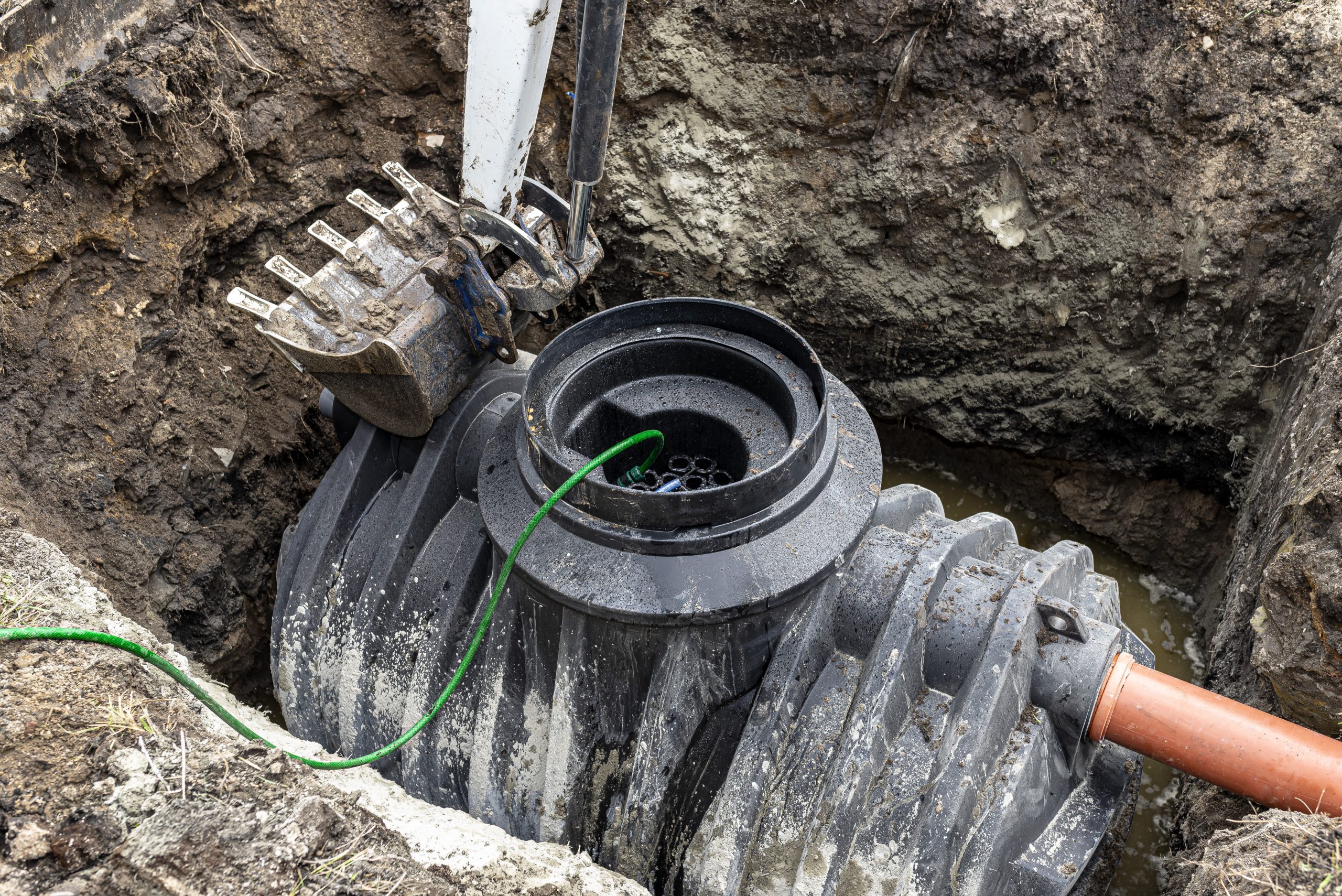
Septic system installation requirements in Barrow, Georgia and surrounding areas are designed to protect public health, groundwater quality, and long-term property usability. Local guidelines typically consider soil type, property size, water table level, and distance from structures and wells. Proper planning before installation prevents costly corrections and environmental risks later. Permits, inspections, and site evaluations are often required to ensure the system functions safely and efficiently. Understanding these requirements helps property owners prepare the land correctly and avoid delays. With the right preparation, a septic system can operate reliably for many years.
What factors determine whether a property qualifies for a septic system?
Soil composition, drainage capability, and available space are major considerations. A professional site check is usually required before Septic Installation can be approved. These factors ensure the system will function safely.
Why is soil testing important before installation begins?
Soil testing shows how well the ground absorbs and filters wastewater. This determines system size and placement. Without testing, long-term failure risks increase.
How does property size affect system approval?
Larger properties allow better placement away from wells and structures. Adequate spacing supports proper Drain Field Services and prevents contamination. This spacing is required by local guidelines.
What permits are usually required before installation?
Permits confirm the design meets health and environmental regulations. Inspections may follow during and after installation. Approval ensures compliance with local standards.
Why is proper layout planning necessary for septic systems?
Correct placement avoids interference with buildings, driveways, and water sources. Layout planning supports efficient wastewater movement. It also prevents future repair complications.
How can regular maintenance protect a newly installed system?
Routine Septic Pumping prevents buildup and system overload. Maintenance extends system life and keeps it functioning properly. Neglect often leads to early failure.
What role do inspections play after installation?
Septic Inspections verify the system operates correctly and meets safety codes. Inspections catch small issues before they become costly problems. They are often required for approval.
Can an existing system be upgraded instead of replaced?
In some cases, improvements can be made through Septic Repairs rather than full replacement. This depends on the system’s age and condition. Professional evaluation determines the best option.
How does water table level impact installation decisions?
A high water table can limit where systems can be placed. Proper evaluation prevents wastewater from contaminating groundwater. Placement must follow safety guidelines.
Why is professional guidance important during the planning phase?
Professionals understand local codes, soil requirements, and layout rules. Their expertise helps avoid delays and compliance issues. Proper planning leads to long-term system reliability.
Final Thought
Understanding septic system installation requirements in Barrow, Georgia helps property owners make informed decisions before beginning the process. Proper planning, testing, and approvals ensure safe operation and long-term reliability. Following guidelines from the start prevents costly corrections later.
How long does septic system installation usually take?
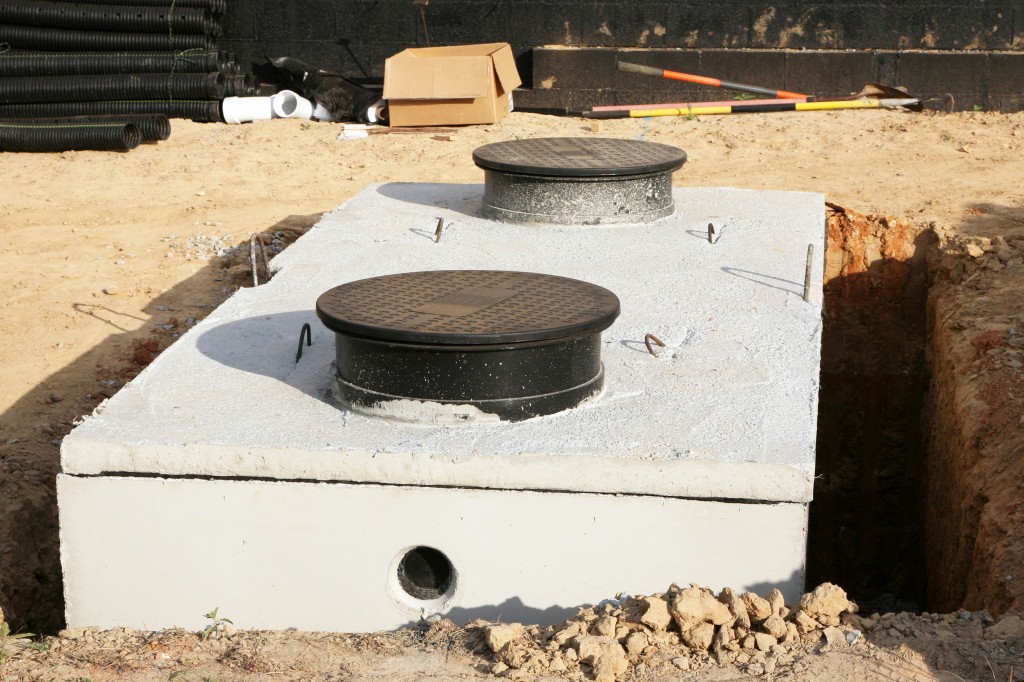
Installation time depends on soil conditions and permit approvals. Most projects take several days once preparation is complete.
Can a septic system be installed on any type of soil?
Not all soil types are suitable for septic systems. Testing is required to determine if the ground can safely absorb wastewater.
How often should a septic system be checked after installation?
Regular evaluations help maintain performance and prevent issues. Inspections are recommended periodically to ensure proper function.
What happens if installation guidelines are not followed?
Ignoring guidelines can lead to system failure and environmental contamination. It may also result in fines or required corrections.
Is maintenance required immediately after installation?
Basic monitoring is recommended, but major maintenance is not needed right away. Proper care helps extend the system’s lifespan.
Email: [email protected]
Phone: +1 770-771-8816
Address: 1636 Amalie Street, Statham, GA 30666