Septic Tank Compliance in Gwinnett GA & Surrounding Areas
Septic tank compliance in Gwinnett GA and surrounding areas is essential for protecting public health, groundwater quality, and property value. Local regulations require proper system installation, maintenance, and inspection to ensure wastewater is treated safely. Homeowners must understand permitting requirements, maintenance schedules, and environmental guidelines to avoid penalties and costly repairs. Routine oversight helps prevent system failures that can contaminate soil and nearby water sources. Staying compliant also supports long-term system performance and neighborhood safety. Working with qualified professionals ensures that all legal and environmental standards are met.
Why is septic system compliance important for homeowners?
Compliance ensures wastewater is processed safely and does not contaminate groundwater or nearby properties. Local health departments require documentation and proper maintenance to meet environmental standards. Septic Inspections help verify that systems are operating correctly and meeting regulatory requirements. Failing to comply can result in fines or required system upgrades. Staying informed protects both property value and public health.
What permits are required for installing a septic system?
Before installation, property owners must obtain permits from local authorities to confirm soil suitability and design approval. Septic Installation must follow approved engineering plans and health codes. Inspections occur at various stages to confirm proper construction. Permit approval ensures the system meets environmental safety standards. Following procedures prevents legal complications.
How often should septic systems be serviced to remain compliant?
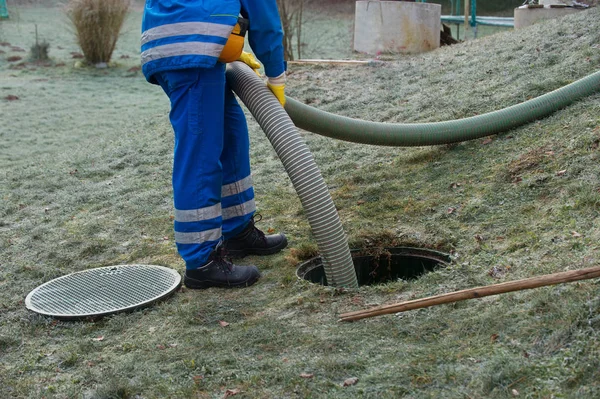
Regular servicing is necessary to prevent system overload and maintain proper function. Septic Pumping removes accumulated waste and helps prevent blockages or backups. Maintenance schedules vary based on household size and usage. Routine service supports compliance with local regulations. Preventive care reduces long-term costs.
What happens if a septic system fails inspection?
If a system fails inspection, corrective actions may be required before compliance is restored. Septic Repairs may be necessary to address leaks, cracks, or damaged components. Health departments may require follow-up inspections after repairs are completed. Prompt action ensures environmental safety. Addressing issues early prevents escalation.
How does soil condition impact septic compliance?
Soil composition affects drainage and wastewater filtration. Drain Field Services ensure proper wastewater absorption and soil treatment capacity. Poor soil conditions may require design adjustments. Professional evaluation helps determine system suitability. Proper planning ensures compliance.
Can homeowners perform their own septic maintenance?
While basic care is helpful, professional servicing ensures regulatory standards are met. Septic Pumping requires specialized equipment and proper waste disposal procedures. Certified technicians follow safety guidelines and documentation requirements. Professional maintenance supports long-term compliance. Expert care reduces risks.
What environmental risks are associated with non-compliant systems?
Non-compliant systems can leak untreated wastewater into soil and water sources. This contamination poses health hazards and environmental damage. Septic Inspections identify potential issues before they become severe. Maintaining compliance protects community health. Proper oversight ensures safe operation.
How do drain fields affect septic system performance?
Drain fields disperse treated wastewater into the soil for natural filtration. Drain Field Services maintain proper absorption and prevent pooling or saturation. If drain fields fail, the entire system may become non-compliant. Regular monitoring prevents structural issues. Proper maintenance extends system lifespan.
Are inspections required when selling a property?
Many property transactions require septic system evaluation before closing. Septic Inspections verify system health and compliance with regulations. Buyers often request documentation of maintenance history. Proper records simplify the sale process. Compliance supports property value.
Why should licensed professionals handle septic projects?
Licensed professionals understand local codes and environmental standards. Septic Installation and related services require proper design, materials, and documentation. Professional oversight ensures safe and legal operation. Expertise prevents costly errors. Hiring qualified contractors supports long-term compliance.
Final Thought
Septic tank compliance in Gwinnett GA is essential for environmental safety, legal protection, and system longevity. Regular inspections, proper maintenance, and professional oversight ensure systems operate efficiently and meet regulatory standards.
How often should septic tanks be inspected?
Inspections are typically recommended every few years or before property sales. Regular checks help maintain compliance and prevent failures.
What are signs of septic system problems?
Slow drains, unpleasant odors, or pooling water may indicate issues. Early detection prevents larger repairs.
What are signs of septic system problems?
Properties without municipal sewer connections usually require septic permits. Local regulations determine specific requirements.
Can septic issues affect property value?
Yes, non-compliance can reduce property value and complicate sales. Proper documentation improves buyer confidence.
Can septic issues affect property value?
Routine maintenance is generally more affordable than major repairs. Preventive care protects long-term investment.
Email: [email protected]
Phone: +1 770-771-8816
Address: 1636 Amalie Street, Statham, GA 30666