Septic System Compliance in Barrow, Georgia & Surrounding Areas
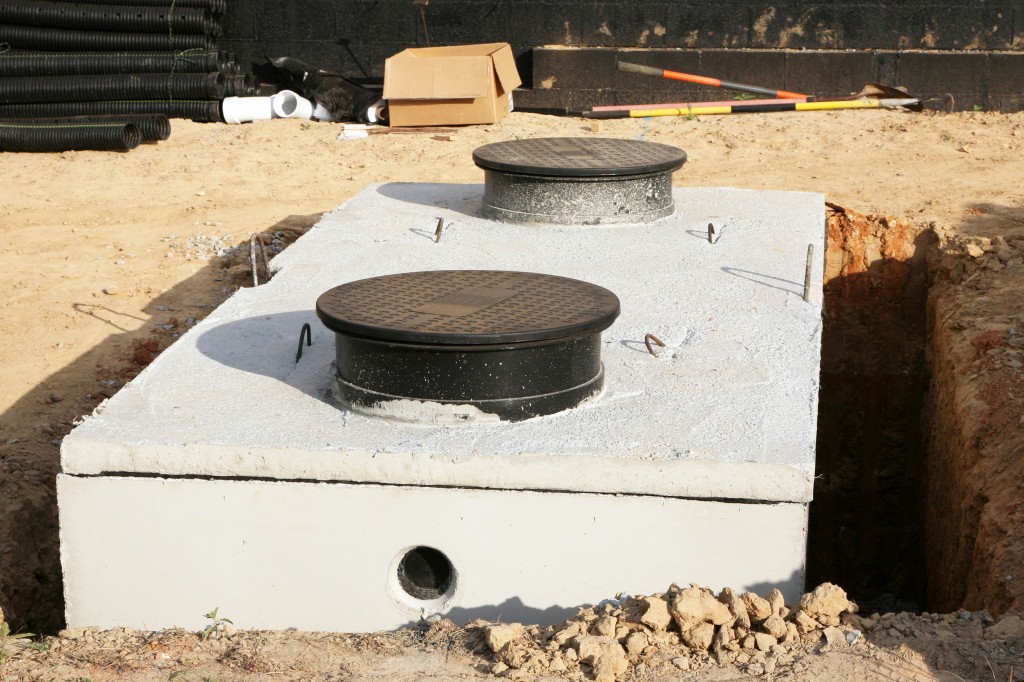
Septic system compliance in Barrow, Georgia and surrounding areas is important for protecting your property, local water sources, and the health of your household. A properly maintained septic system helps manage wastewater safely and reduces the risk of backups, slow drains, and unpleasant odors. Many homeowners do not think about septic compliance until a problem appears, but following proper guidelines can prevent expensive repairs and emergency replacements. Compliance often includes routine maintenance, timely inspections, and ensuring the system is functioning as designed for the home’s size and usage. When a septic system is neglected, it can cause drain field failure, soil contamination, and even damage to nearby wells or drainage areas. Barrow County homeowners may also face requirements when installing a new system, selling a home, or repairing major septic components. Staying compliant helps you avoid fines, protect your home value, and ensure the system remains reliable year-round. A professional septic team can guide homeowners through the right steps and keep records that support long-term property protection.
Why does septic system compliance matter for homeowners in Barrow County?
Compliance helps ensure wastewater is treated properly and does not contaminate soil or nearby water sources. It also reduces the chance of system backups and costly damage inside the home. Keeping your system in good condition protects property value and household safety. Many homeowners schedule Septic Inspections to confirm everything is operating correctly.
How can you tell if your septic system is no longer working properly?
Signs include slow drains, gurgling sounds, sewage odors, wet spots in the yard, or water backing up inside the home. These issues can indicate blockages, overfilled tanks, or drain field problems. Early action helps prevent larger failures. Professional evaluation can identify the cause quickly.
What maintenance steps help keep a septic system compliant year-round?
Regular pumping, water-use management, and avoiding harmful chemicals are key steps. Keeping records of maintenance also helps prove responsible care. Homeowners should also protect the yard area above the system from heavy vehicles and damage. Routine Septic Pumping helps prevent overflow and improves system performance.
How often should a septic system be checked to stay in compliance?
Most systems should be checked every few years, but timing depends on household size and usage. If you notice warning signs, an inspection should happen sooner. Regular checkups help catch problems early before they become expensive. A professional schedule keeps maintenance consistent.
What causes drain field issues that can lead to compliance problems?
Drain fields can fail due to excess water use, lack of pumping, soil compaction, or blocked lines. When the drain field cannot absorb wastewater properly, it may create soggy areas and odors. Preventing strain on the system helps protect long-term performance. Some homeowners require Drain Field Services when absorption issues start to appear.
What should homeowners avoid flushing or draining into the system?
Avoid flushing wipes, grease, harsh chemicals, and non-biodegradable items that can clog or damage the system. These materials can cause blockages and reduce the system’s ability to break down waste properly. Using septic-safe products helps maintain good performance. Smart habits help prevent avoidable repairs.
When does a septic system need repair to stay compliant?
Repairs may be needed if there are leaks, broken lines, damaged components, or frequent backups. Small problems can turn into major failures if ignored too long. Fixing issues early helps maintain compliance and reduce long-term costs. Many homeowners schedule Septic Repairs when signs of damage appear.
What happens if a septic system is not compliant during a home sale?
A non-compliant system can delay the sale, require repairs, or lower the property value. Buyers may request proof of inspection and maintenance records before closing. Having updated documentation helps protect the transaction. Staying proactive reduces last-minute stress during real estate deals.
How does installing a new septic system support long-term compliance?
A properly designed system improves reliability and ensures wastewater is handled safely. New systems are built to match property needs, soil conditions, and household usage. Professional installation reduces the chance of early failure and future compliance problems. Septic Installation is often recommended when older systems can no longer perform correctly.
What should homeowners ask a professional before scheduling septic service?
Ask about the service process, recommended maintenance schedule, and what records will be provided afterward. You should also ask what warning signs to watch for between visits. Clear guidance helps homeowners stay compliant and prepared. Working with a trusted professional improves long-term system performance.
Final Thought
Septic system compliance in Barrow, Georgia helps homeowners protect their property, avoid costly damage, and keep wastewater management safe and reliable. Regular maintenance, smart household habits, and timely inspections are the best ways to prevent major septic issues. Staying compliant also supports smoother home sales and better long-term property value. With professional guidance and consistent care, your septic system can remain dependable for years.
How do I know if my septic system needs attention right away?
If you notice slow drains, odors, or wet spots in the yard, you should schedule a professional check quickly. Early action helps prevent major damage.
How often should a septic tank be pumped?
It depends on household size and usage, but many systems need pumping every 3–5 years. A professional can recommend the best schedule.
Can I use normal cleaning products with a septic system?
Some cleaning products are fine in small amounts, but harsh chemicals can harm septic bacteria. Septic-safe products are usually best.
What is the biggest cause of septic system failure?
Lack of maintenance is one of the biggest causes. Skipping pumping and ignoring warning signs often leads to expensive failures.
Does septic compliance affect home value?
Yes, a well-maintained system supports home value and makes selling easier. Buyers often want proof of proper care and inspections.
Email: [email protected]
Phone: +1 770-771-8816
Address: 1636 Amalie Street, Statham, GA 30666